

Calendar of Events
READ MORE 
-
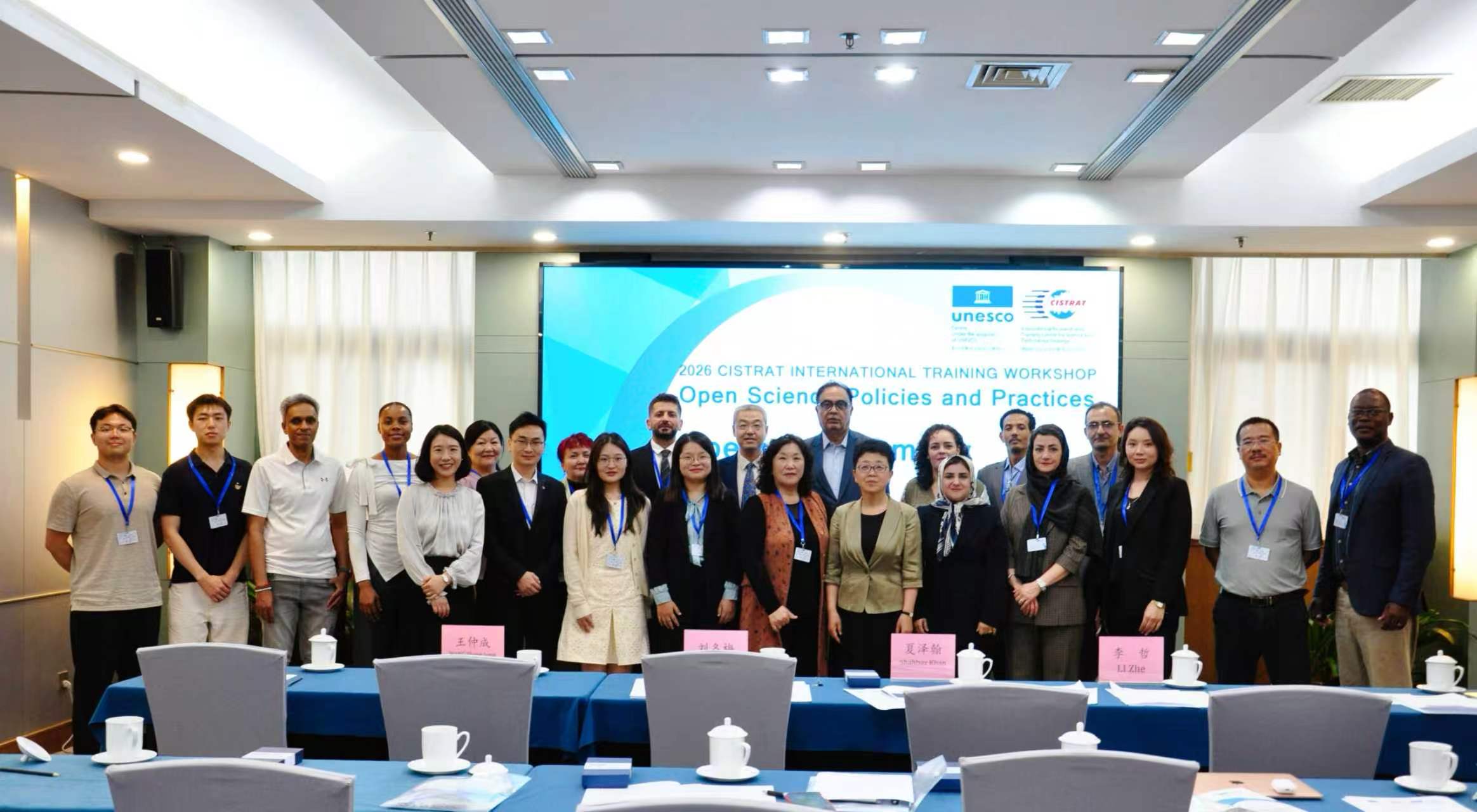
Sep 04,2026CASTED and International Research and Training Center for Science and Technology Strategy (CISTRAT) Successfully Held the 13th International TrainingFrom August 17 to August 30, 2026, the International Research and Training Center for Science and Technology Strategy (CISTRAT) of Chinese Academy of Science and Technology for Development (CASTED) successfully held the 13th International Training Workshop on Science and Technology Innovation Policy Research and Methods in Belt and Road Countries. This training workshop focused on the theme “Open
-
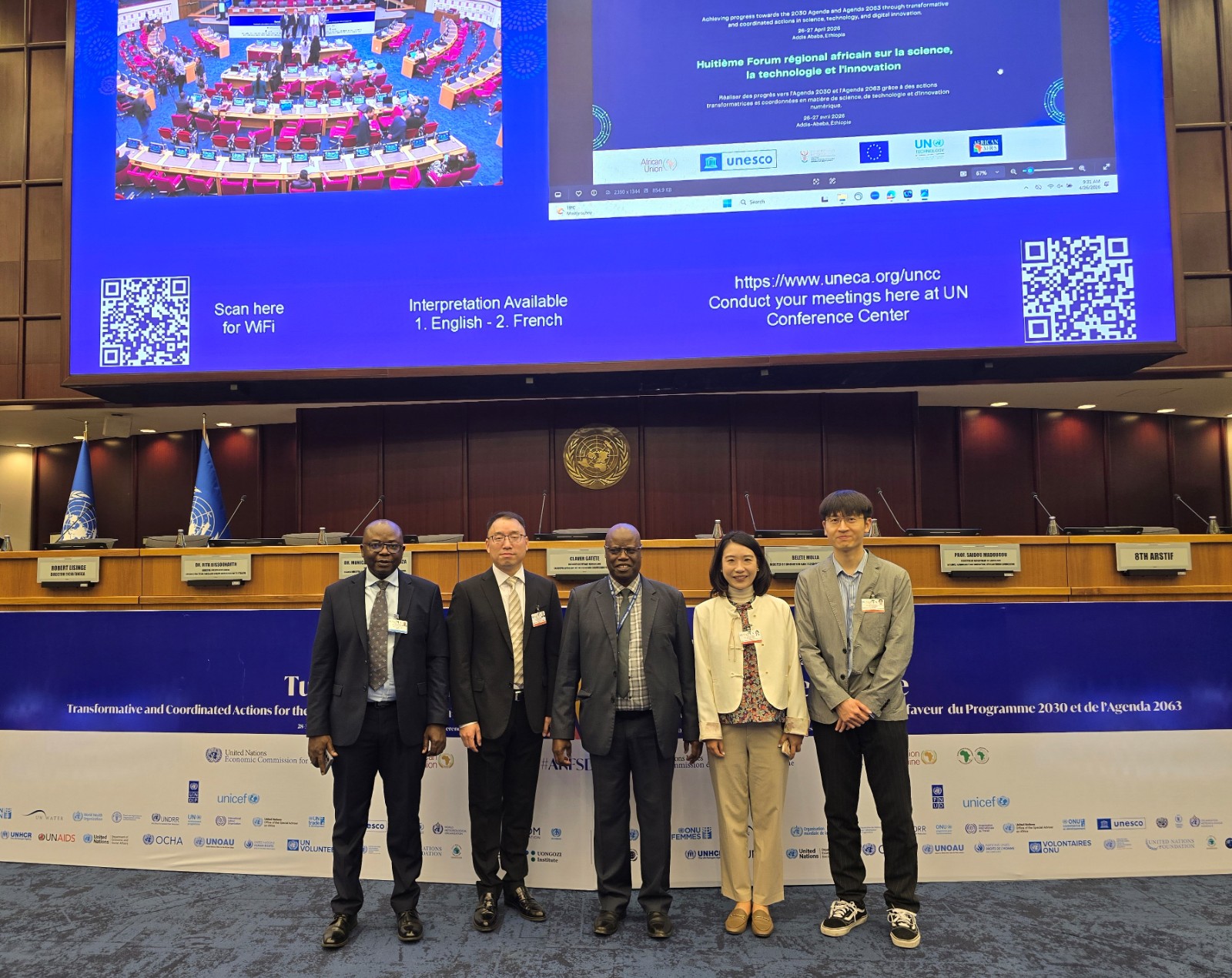
May 29,2026CISTRAT and CASTED Visits Ethiopia to Join the Eighth African Science, Technology and Innovation ForumAt the invitation of the United Nations Educational, Scientific and Cultural Organization (UNESCO) and the United Nations Economic Commission for Africa (UNECA), CISTRAT and CASTED sent a delegation on April 26th–27th to Ethiopia to participate in the “Eighth African Science, Technology and Innovation Forum” and exchanged views with delegates. In the parallel session on
-
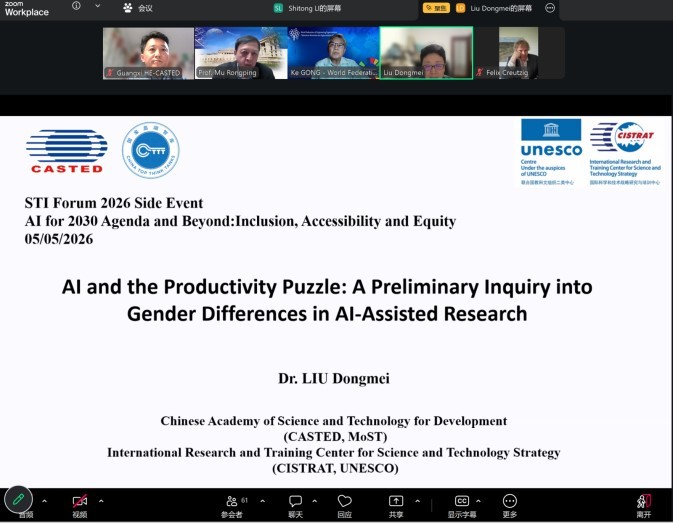
May 09,2026CASTED and CISTRAT Co-organized the Side Event of the 11th UN STI ForumOn May 5, 2026, Chinese Academy of Science and Technology for Development (CASTED) and the International Research and Training Centre for Science and Technology Strategy (CISTRAT) participated as co-organizers in the side event of the 11th Multi-stakeholder Forum on Science, Technology and Innovation for the Sustainable Development Goals (STI Forum), themed "AI for 2030 Agenda and Beyond: Inc


In 2024, International Research and Training Center for Science and Technology Strategy (CISTRAT), in accordance with the requirements for Category II Institutions/Centers by the United Nations Educational, Scientific and Cultural Organization (UNESCO), and under the guidance and support of the CISTRAT Governing Board, carried out international science and technology collaborations and trainings.
READ MORE
In 2023, International Research and Training Center for Science and Technology Strategy (hereinafter referred to as “CISTRAT”), based in Chinese Academy of Science and Technology for Development (CASTED), carried out international science and technology cooperation in accordance with the requirements of the renewal agreement signed by the United Nations Educational, Scientific and Cultural Organization (UNESCO) and Ministry of Science and Technology of China (MOST). In line with the 17 Sustainable Development Goals of the UN 2030 Agenda, C...
READ MORE
From 2021 to 2022, International Research and Training Center for Science and Technology Strategy (hereinafter referred to as “CISTRAT”), based in Chinese Academy of Science and Technology for Development (CASTED), carried out international science and technology cooperation online in accordance with the requirements of the United Nations Educational, Scientific and Cultural Organization (UNESCO) and Ministry of Science and Technology of China (MOST).
READ MORE
International Research and Training Centre for Science and Technology Strategy (thereafter noted as "CISTRAT"), established in May 2012 as a Category II Centre under the auspices of UNESCO, is based in the Chinese Academy of Science and Technology for Development (CASTED), which is a research institute directly affiliated to the Ministry of Science and Technology (MOST) and one of the most significant S&T policy think tanks in China. Since the initial agreement between UNESCO and MOST about CISTRAT is only valid until May 2018, UNESCO carr...
READ MORE


UNESCO Category II Centers
About
Category 2 institutes and centres under the auspices of UNESCO are a global network of
institutions of excellence in the Organization's domains of competence. Given their expertise,
these institutes and centres contribute to the implementation of UNESCO's strategic priorities,
programmes, and global development agendas, through international and regional cooperation,
research, knowledge production, policy advice, and capacity development. Though independent of
UNESCO, category 2 institutes and centres are a privileged partner of the Organization with
access to UNESCO's logo and international and intergovernmental bodies and networks and may
leverage on UNESCO's international reach and convening powers,...
READ MORE
International Research and Training
Center for Science and Technology Strategy
Chinese Academy of Science and Technology for Development All rights reserved.
Tel: 86-10-58884543 E-mail: webmaster@casted.org.cn Support by ZhongYan
Tel: 86-10-58884543 E-mail: webmaster@casted.org.cn Support by ZhongYan